While the topic was abhorrent and in bad taste, I don’t think there was ever a time when the FCC banned jokes about spouse/family abuse.
The Honeymooners regularly joked about the husband finally breaking and beating his wife. I Love Lucy had an episode where Lucy tried to get a sunburn so Ricky wouldn’t beat her as hard for buying an expensive dress. The Simpsons had Homer choking Bart as a running gag. All these shows were on Broadcast TV.
The FCC being useless and bought off still doesn’t mean that Callaway gets special first amendment protections. They’re a corporation, they aren’t protected from consumers and retailers dropping their products for promoting crimes, or from potential lawsuits as a result of harmful marketing.
Again, this topic has nothing to do with free speech.
I bring it up because companies which broadcast and publish material are generally given greater deference by the public for showing material they disagree with. As long as the standards are adhered to evenly, the broadcaster isn’t going to be boycotted for an ad. No one is boycotting the television stations and streamers for airing this ad; all the attention is going to Calloway.
The consequences of free speech are felt by those paying for it in public opinion, not those serving it.

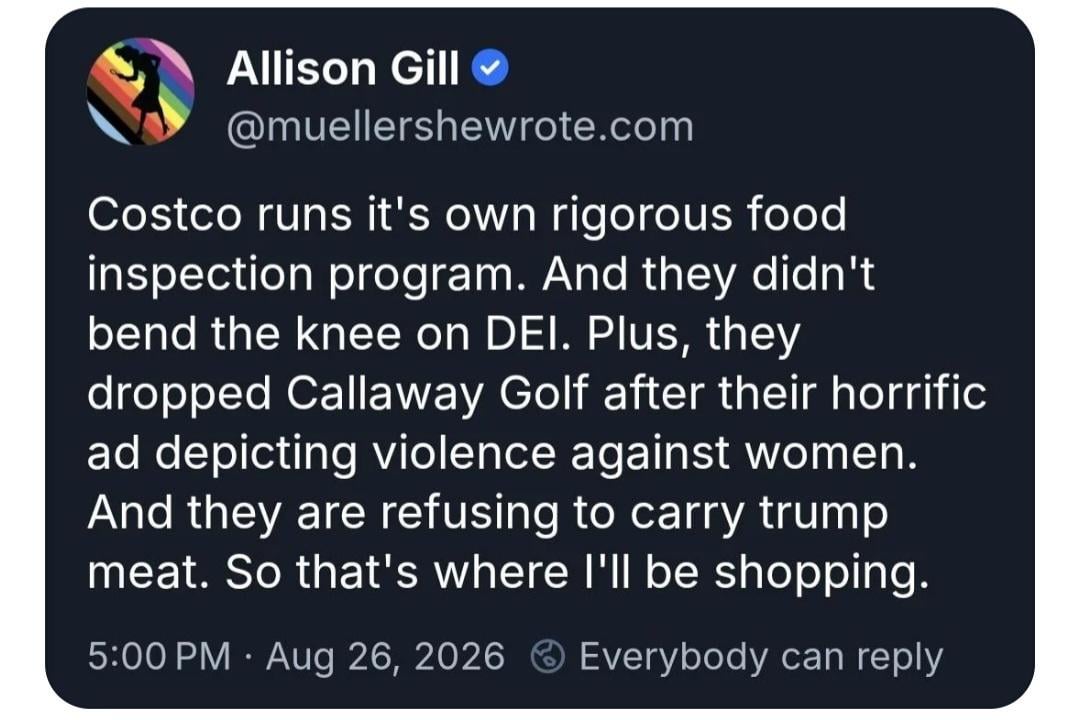
While the topic was abhorrent and in bad taste, I don’t think there was ever a time when the FCC banned jokes about spouse/family abuse.
The Honeymooners regularly joked about the husband finally breaking and beating his wife. I Love Lucy had an episode where Lucy tried to get a sunburn so Ricky wouldn’t beat her as hard for buying an expensive dress. The Simpsons had Homer choking Bart as a running gag. All these shows were on Broadcast TV.
The FCC being useless and bought off still doesn’t mean that Callaway gets special first amendment protections. They’re a corporation, they aren’t protected from consumers and retailers dropping their products for promoting crimes, or from potential lawsuits as a result of harmful marketing.
Again, this topic has nothing to do with free speech.
I bring it up because companies which broadcast and publish material are generally given greater deference by the public for showing material they disagree with. As long as the standards are adhered to evenly, the broadcaster isn’t going to be boycotted for an ad. No one is boycotting the television stations and streamers for airing this ad; all the attention is going to Calloway.
The consequences of free speech are felt by those paying for it in public opinion, not those serving it.