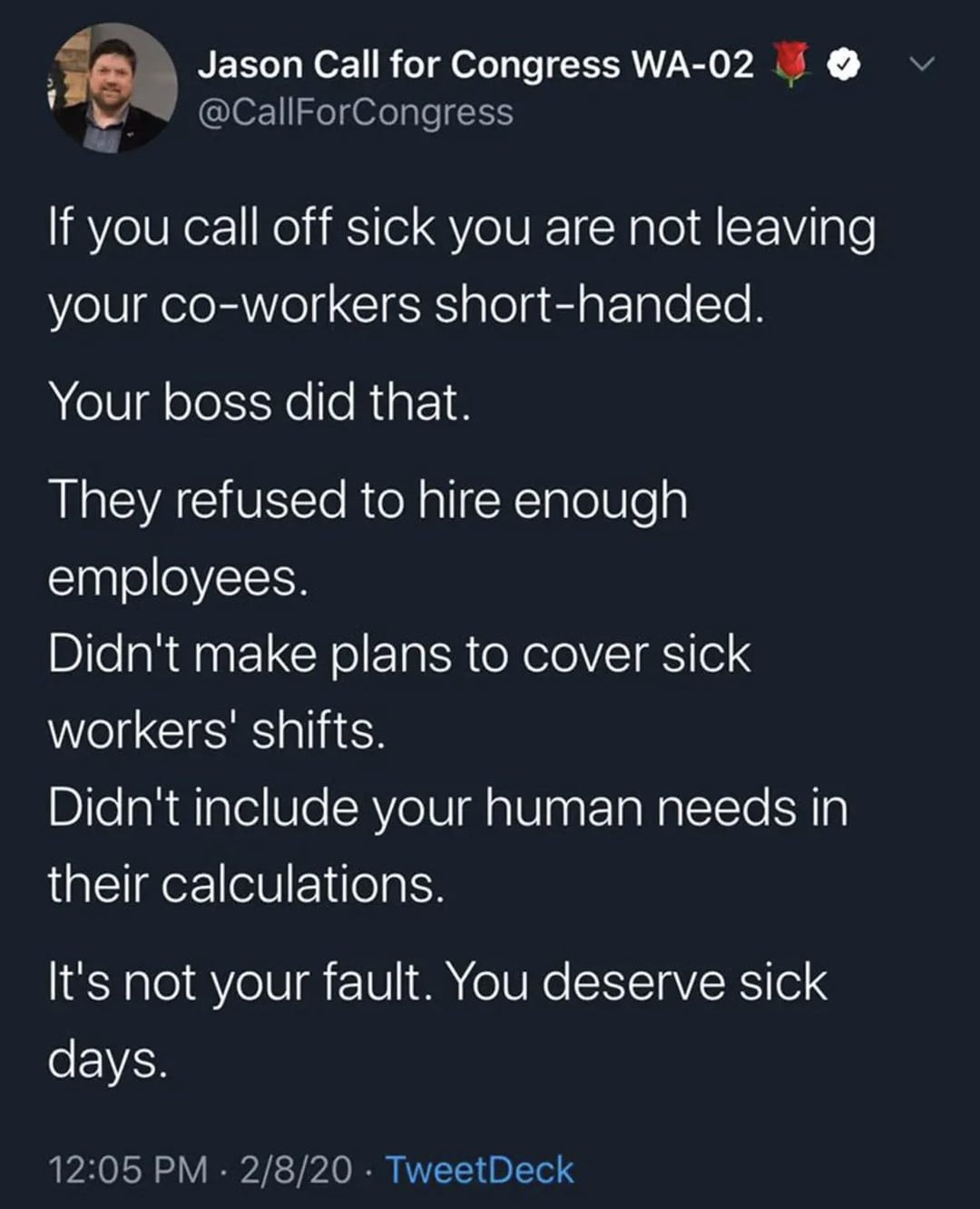
The only thing you do by keeping things running through heroic effort is to send a message to management that they can lower the priority of dealing with the issue.
Managing upwards (getting management to make decisions in your favor) means that you can’t let yourself be the reason they don’t feel the pain of a problem like poor staffing. Sure, you can step in and save the day if you really, truly, need to build up your reputation as dependable/hero, but it’s a thin thin line.
One thing I often do as well is try to look at people in other departments and their general attitudes towards time off, vacations, having to leave for Dr’s appointments, that sort of thing.
I’ll be damned if I’m going to live in a constant crunch time situation, feeling like I need to take lunch at my desk, and put off things I need to do for me.
Especially while other teams are having regular team building outings during work hours on the company dime, one guy takes a long lunch and to go to the gym, and two others were clearly taking the video call meeting while out walking their dog.
Everyone deserves consideration of the fact that they are human, and everyone deserves the kind of flexibility that often is only for business side “important” people.
Overtime solves this issue pretty effortlessly. They call you and offer a shift of overtime to cover someone that’s unexpectedly absent. If you’re willing to sacrifice your normal time off, you get time and a half in exchange. If you’re not, then either another person will or the manager/foreman on salary handles it. That is, after all, one of the reasons they’re paid more (and on salary.)
Huge note, IF you’re not salary. Most people in my circle are used to being asked for 60+ hours a week for the same check theyd get if they worked 10
In my opinion, at a healthy workplace, someone taking time off shouldn’t be noticed
In a “healthy” capitalist environment, they take note of who can leave without any bumps in the road and lay them off
I used to have this boss who would get mad if anyone asked for 2 weeks off. She would say, “if you think the business can survive without you for that long, why do we pay you? Don’t bother coming back then”
If i work 80 hour weeks for 50 weeks and 2 weeks of 0 hours… I still worked around 2x the amount i was supposed to. Firing that person for aomeone who works 40 hour weeks and never takes a vacation maybe looks better to management but is significantly less “commitment” or whatever