

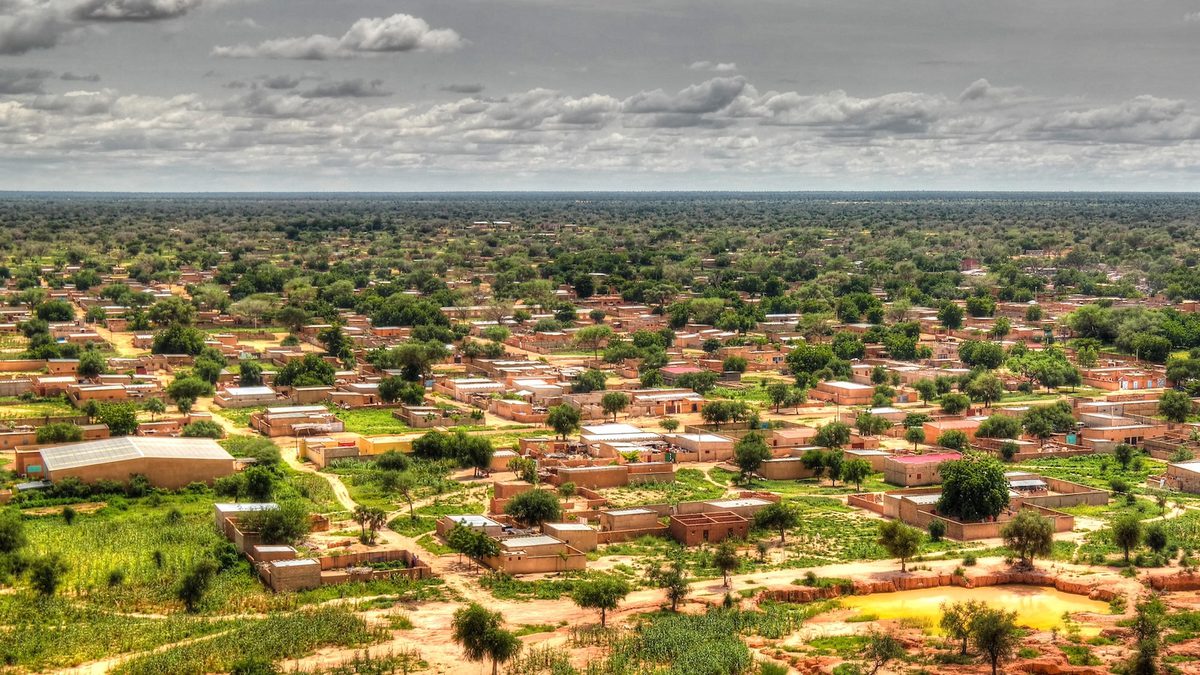
After the catastrophic droughts of the late 20th century, aquifers from Senegal to Ethiopia are refilling, water tables in Niger have risen four metres, and Lake Chad has swollen to ten times its mid-1980s size. Near-extinct scimitar-horned oryx now number over 600, and farmers have nurtured 200 million trees back onto once-bare fields.
I do hope this is a good sign
The extreme rains are causing massive floods that kill a lot of people, but overall it’s probably better to have water.
Landslides taking out entire villages. I saw an interview with a woman that lost her little boy in a landslide, not long after another landslide had destroyed much of the village. I still think about her almost every day, it’s haunting. The people paying the price are not the ones responsible.
Some climate change models do predict a green Sahara.
That would be poetic