

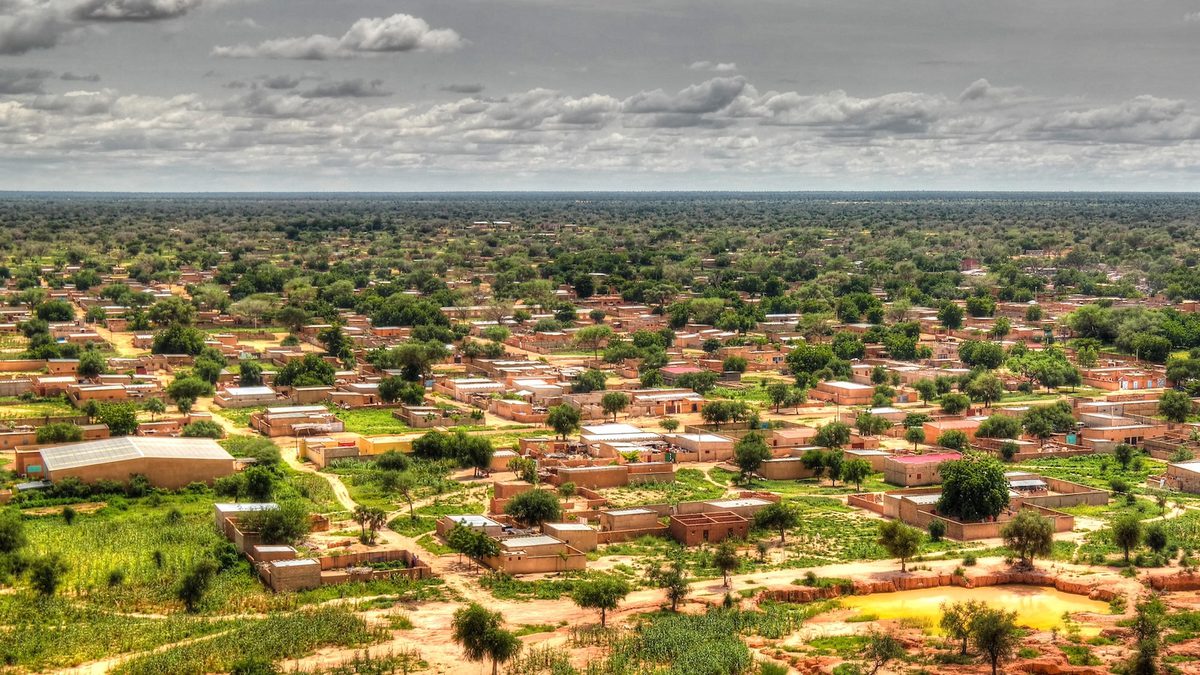
After the catastrophic droughts of the late 20th century, aquifers from Senegal to Ethiopia are refilling, water tables in Niger have risen four metres, and Lake Chad has swollen to ten times its mid-1980s size. Near-extinct scimitar-horned oryx now number over 600, and farmers have nurtured 200 million trees back onto once-bare fields.
Interesting. Indeed during the last couple of weeks I’ve been watching the African Monsoon from satellite. Best watch at sunset and few hours after.
It’s quite remarkable to see huge thunderstorms - the size of smaller countries - billow up over Chad, Niger Mali and Mauritania, even touching the mountains of Algeria (although clouds that grow that far north typically collapse into dust haboobs). Just day before yesterday a huge cloud at the northern tip of Mali - where loads of rain fell overnight according to eumetsat.int (Blended SEVIRI / LEO MW precipitation). Yesterday looking at nasa worldview (aqua modis reflectance 721) you can see damp ‘stains’ on the sand, and beginning of small pools, in normally driest parts where nobody lives (region of Erg Chech - Kreb en Naga) . A few days earlier, tracked big storms passing north of Timbuktu into Mauritania, and a week earlier also noticed loads of rain along both Eritrean and Yemen shores of Red Sea. I’m not qualified to say whether all this is ‘normal’ but it looks special to me, especially while forests burning and rivers dry up in europe - although of course the coincidence makes sense - opposite ends of same Hadley cell shifted north. So maybe hopeful for Sahel (where they’ll need to grow more food anyway, considering demographic projections).